Bus Simulator Ultimate Upgrades Guide (2026): Best Upgrade Order to Boost Performance & Profits
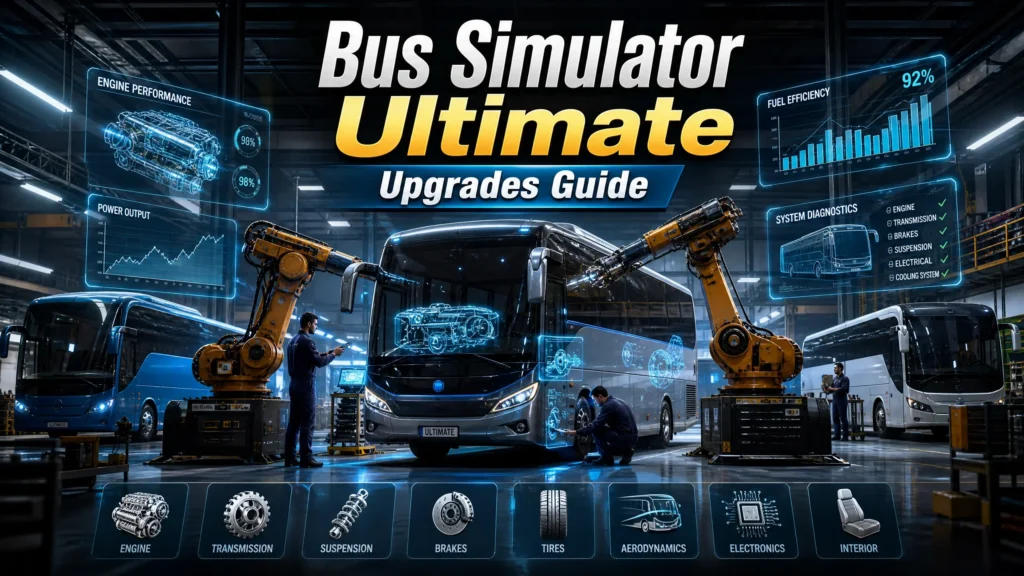
Building a successful transport company takes more than buying new buses. Smart upgrades improve performance, reduce operating costs, and increase your earnings over time. This Bus Simulator Ultimate upgrades guide explains which upgrades deserve your money first. You’ll learn how each upgrade affects your buses, passengers, and company profits. Whether you play as a beginner or manage a large fleet, the right upgrade order makes a big difference.
We’ll compare engine improvements, fuel efficiency, suspension, brakes, passenger comfort, and cosmetic options. You’ll also discover the best upgrades for Bus Simulator Ultimate, learn how to upgrade buses in Bus Simulator Ultimate, and find out which improvements deliver the highest return on investment. By the end, you’ll have a clear upgrade strategy that helps your company grow faster while keeping every trip profitable.
Bus Simulator Ultimate Upgrades Guide: Quick Answer
Bus upgrades improve performance, lower fuel costs, increase passenger satisfaction, and help your company earn more money. Focus on engine, fuel efficiency, passenger comfort, and brake upgrades first. These upgrades offer the best long-term value, improve route profitability, and support faster progress as your fleet and company grow.
How Bus Upgrades Work in Bus Simulator Ultimate
Bus upgrades improve your vehicle’s performance and help your company grow faster. Each upgrade changes how your bus performs on different routes. Choosing the right upgrades saves money and increases long-term profits.
Where to Upgrade Your Bus
You can upgrade your bus from the Garage. Select the bus you want to improve. Open the Upgrade menu to view available options. Each bus offers several upgrade slots for performance and appearance. Some upgrades become available as you progress. Others require enough in-game cash before you can purchase them. Check every category before spending your money.
How to Unlock More Upgrades
You unlock additional upgrades by increasing your Company Level. Completing routes and transporting passengers earns Experience Points (XP). Higher levels unlock better buses and more upgrade options. Buying new buses also expands your choices. Keep earning in-game currency through profitable routes to access higher-level improvements without slowing your progress.
Upgrade Costs Explained
Every upgrade has a different price. Basic upgrades cost less than advanced improvements. Upgrade prices increase as your bus becomes stronger. Plan your spending before buying expensive upgrades. Focus on improvements that increase earnings first. A smart upgrade order helps you recover costs faster and build a profitable bus company.
Types of Upgrades in Bus Simulator Ultimate
Bus Simulator Ultimate control guides offers many upgrade options for performance, comfort, and appearance. Each upgrade affects your bus in different ways. Some improve profits, while others create a better driving experience. Knowing what each category does helps you spend your money wisely.
Engine Upgrades
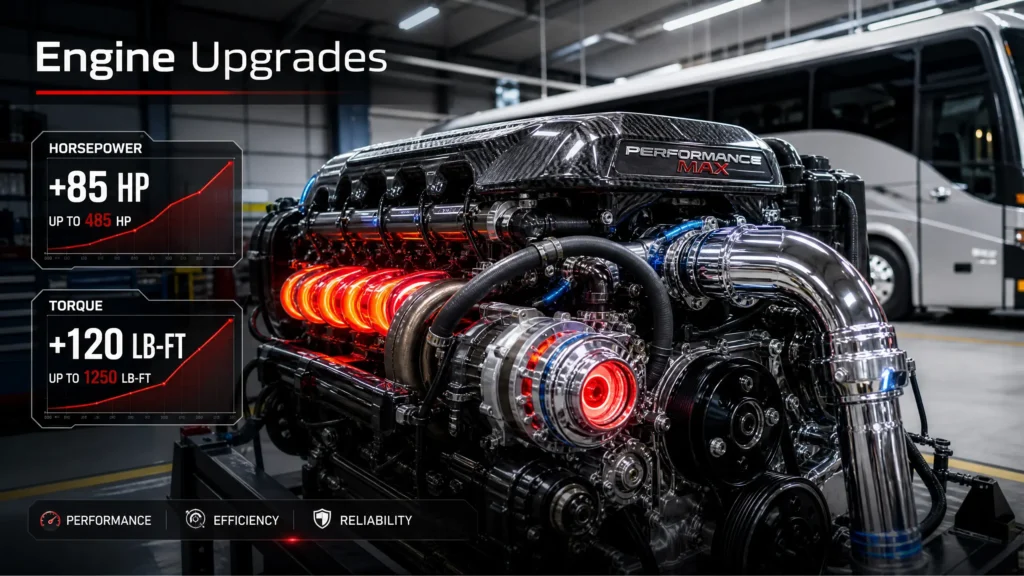
Engine upgrades increase your bus’s power and acceleration. Faster acceleration helps you leave stops quickly and maintain traffic flow. Stronger engines also perform better on steep hills and mountain roads. These upgrades work well for long-distance routes with heavy passengers. More power may increase fuel consumption. Pair engine upgrades with fuel efficiency improvements for better results.
Transmission Upgrades
Transmission upgrades improve gear changes during every trip. Smooth shifting creates a more comfortable ride for passengers. Your bus also performs better at highway speeds. Efficient transmission settings reduce unnecessary power loss. This helps you complete routes with better overall efficiency.
Suspension Upgrades
Suspension upgrades improve ride quality on every route. Better suspension keeps the bus stable on uneven roads. Passengers notice fewer bumps during the journey. Stable handling also gives you better control through turns. These upgrades become more valuable on longer routes and rough maps.
Brake Upgrades
Brake upgrades shorten stopping distance and improve control. Quick braking helps you avoid collisions in busy traffic. City driving becomes safer with stronger brakes. Better braking also reduces the chance of costly accidents. Safe driving protects your passengers and your company reputation.
Tire Upgrades
Quality tires improve grip on different road surfaces. Better traction increases control during turns and sudden stops. Handling feels more predictable at higher speeds. Upgraded tires also perform better in changing weather conditions. They support safe and consistent driving throughout every trip.
Fuel Efficiency Upgrades
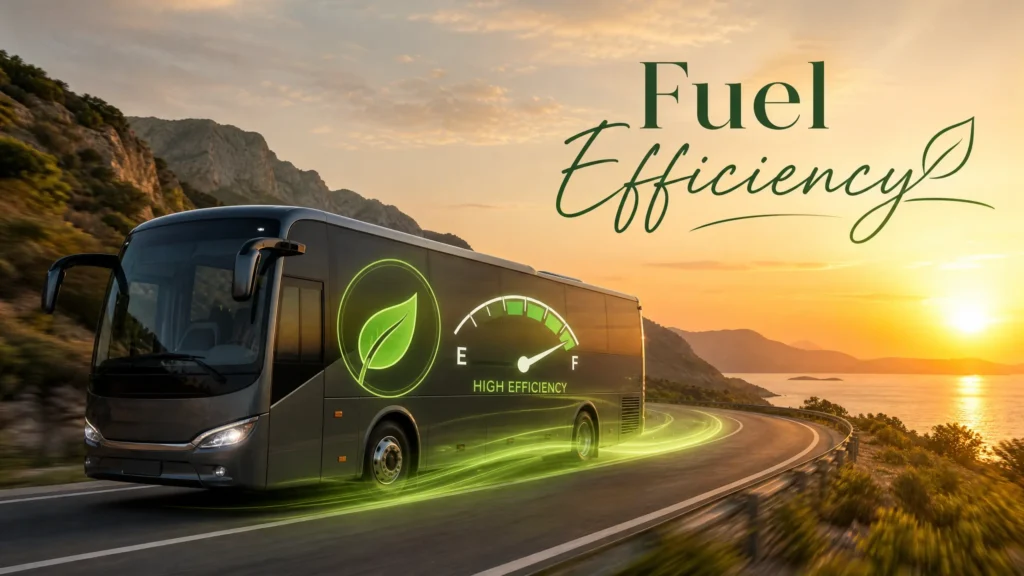
Fuel efficiency upgrades reduce fuel consumption on every route. Lower fuel costs increase your profits over time. These upgrades become valuable as your fleet grows. Efficient buses travel longer distances before refueling. Lower operating costs leave more money for future investments.
Cooling System Upgrades
Cooling system upgrades help your engine perform consistently. Stable engine temperatures support long driving sessions. Reliable cooling also improves overall vehicle dependability. These upgrades become useful on extended routes with frequent acceleration. A dependable bus spends more time earning money.
ECU & Performance Tuning
ECU tuning improves how your engine delivers power. Better engine management creates smoother acceleration and stronger performance. Your bus responds faster during different driving conditions. Performance tuning works best after upgrading key engine components. Together, these improvements create a more capable vehicle.
Aerodynamics
Aerodynamic upgrades reduce air resistance at higher speeds. Less drag helps improve fuel economy on highways. Your bus maintains speed with less effort. These upgrades offer the greatest value on long-distance routes. Small fuel savings add up across many trips.
Interior Customization
Interior upgrades improve passenger comfort during every journey. Better seats create a more pleasant travel experience. Comfortable passengers often lead to higher satisfaction ratings. A well-designed interior also gives your company a more professional image. Happy passengers support long-term business growth.
Exterior Customization
Exterior customization changes your bus’s appearance without affecting performance. You can apply new paint colors and unique liveries. These upgrades help your fleet stand out. Custom designs also give your company a consistent visual identity. Many players enjoy creating buses with their own style.
Wheels, Lighting & Accessories
Accessory upgrades include wheel rims, headlights, and sound systems. New rims improve your bus’s appearance. Modern headlights create a cleaner look during night driving. Sound system upgrades and other cosmetic items add personality to your fleet. Buy these upgrades after finishing important performance improvements.
Best Upgrade Order for Beginners
New players often spend money on upgrades that offer little value. A smart upgrade order helps you earn more, reduce expenses, and grow your bus company faster. Start with upgrades that improve profits before buying cosmetic items.
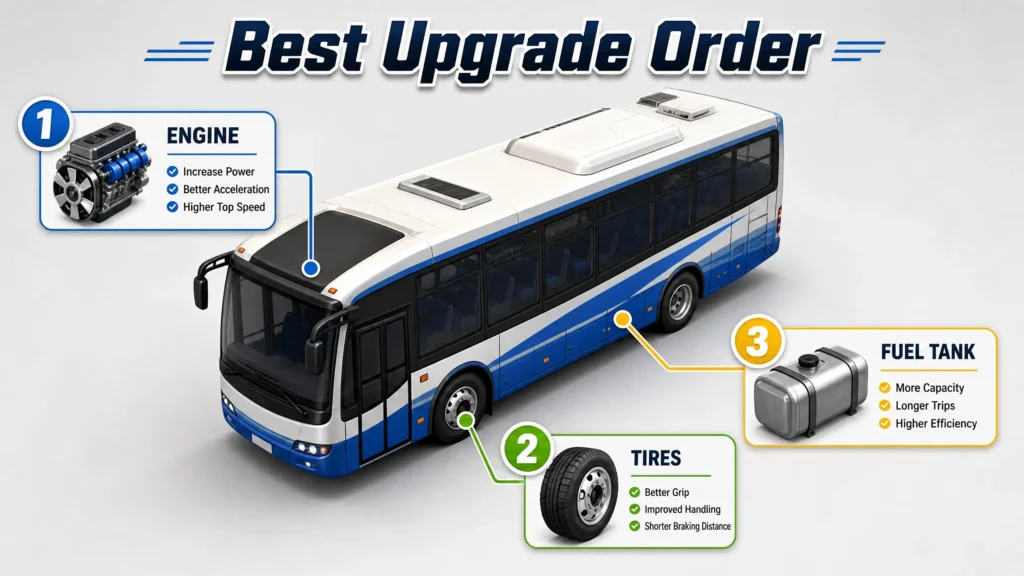
Upgrade #1 – Fuel Efficiency
Fuel efficiency should be your first investment. Every trip consumes fuel, so lower fuel costs increase your earnings immediately. The extra savings help you afford future upgrades faster. This upgrade delivers steady value from your first route. It also supports longer trips without raising operating costs.
Upgrade #2 – Engine
Upgrade the engine after improving fuel efficiency. A stronger engine provides quicker acceleration and better hill-climbing performance. It also handles full passenger loads with greater ease. Engine upgrades make long-distance routes smoother and more reliable. Your bus completes demanding trips with better overall performance.
Upgrade #3 – Suspension
Next, improve your suspension. Better suspension creates a smoother ride and increases vehicle stability. Passengers enjoy a more comfortable journey on uneven roads. Stable handling also gives you more confidence in corners and busy traffic. This upgrade supports safer and more consistent driving.
Upgrade #4 – Brakes
Brake upgrades should follow suspension improvements. Strong brakes reduce stopping distance and improve control in crowded areas. They help you avoid accidents and expensive repair costs. Reliable braking also protects passenger satisfaction during city routes. Safe driving keeps your company reputation strong.
Upgrade #5 – Passenger Comfort
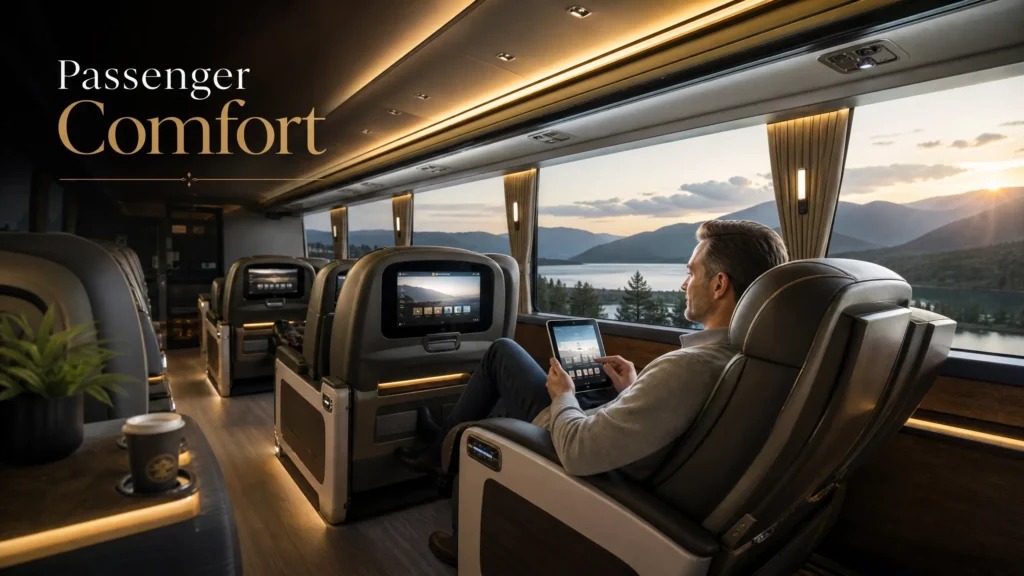
Finish your priority upgrades by improving passenger comfort. Better seats and interior features create a more enjoyable travel experience. Happy passengers often leave better ratings after each trip. Higher satisfaction supports company growth and repeat business over time. Once these upgrades are complete, you can focus on expanding your fleet or adding cosmetic improvements.
Best Upgrades for Mid-Game Players
Mid-game is the right time to balance bus upgrades with company expansion. Your goal should shift from saving money to increasing steady income. Every upgrade should support higher profits and faster business growth. Start by upgrading the buses you use most often. High-performing buses complete more routes and generate better returns.
Avoid spreading your budget across every vehicle. Improve engine performance and fuel efficiency on your busiest buses. This combination reduces operating costs while increasing route productivity. It also prepares your fleet for longer trips. Add suspension and brake upgrades before assigning buses to demanding routes. Stable handling and reliable braking improve safety and passenger satisfaction. Better driving performance also reduces costly mistakes. Expand your fleet only when your current buses earn consistent profits. Buying too many buses too early can slow your progress.
A smaller, upgraded fleet often performs better than a larger, basic one. Choose long-distance routes after upgrading key performance parts. Longer trips usually offer better payouts when your buses run efficiently. Lower fuel costs help you keep more of those earnings. Keep improving your company level by completing profitable routes.
Higher levels unlock better buses and additional upgrade options. Reinvest your income instead of spending everything at once. A balanced upgrade strategy delivers the best results during this stage. Improve your strongest buses first, then grow your fleet with confidence. This approach builds a stable company that stays profitable over time.
Best Upgrades for Late-Game Players
Late-game focuses on maximizing income from every route. By this stage, your company should own several well-equipped buses. The goal is to increase profits while managing a larger fleet efficiently. Upgrade your highest-earning buses to their maximum level first. Fully upgraded buses deliver better performance on demanding routes.
They also provide a smoother experience for passengers. Assign premium buses to your longest and most profitable routes. Strong engines, efficient fuel systems, and quality suspension improve overall performance. These upgrades help maintain steady earnings on extended trips. Specialize your fleet based on route requirements. Use powerful buses for long-distance travel and smaller buses for busy city routes. This strategy improves efficiency across your entire company. Keep investing in fuel efficiency, passenger comfort, and braking upgrades. These improvements continue to reduce expenses and support higher customer satisfaction. Small savings become significant across a large fleet.
Replace older buses only when a newer model offers clear advantages. Upgrading a reliable bus often costs less than rebuilding another vehicle. Compare upgrade costs before making large purchases. As your company grows, focus on smart resource management. Reinvest profits into high-performing buses and profitable routes. A balanced fleet delivers stronger results than upgrading every bus equally. Late-game success comes from careful planning and consistent investments. Build a fleet that matches your routes, supports company growth, and generates reliable income every day.
Which Bus Should You Upgrade First?
Not every bus deserves the same investment. Some models deliver better value with early upgrades, while others perform well without major improvements. Upgrade the buses you drive most often and those assigned to profitable routes.
MAN Buses
MAN buses offer balanced performance for most players. They handle city and highway routes with consistent reliability. Their biggest weakness is average acceleration under heavy loads. Start with fuel efficiency and engine upgrades. Add suspension next for smoother rides on longer routes. Finish with brake upgrades to improve safety in busy traffic.
Mercedes Buses
Mercedes buses provide excellent passenger comfort and stable handling. They perform well on long-distance routes and premium services. Higher purchase prices can slow early progress. Upgrade the engine first to improve acceleration. Follow with fuel efficiency to reduce operating costs. Passenger comfort upgrades deliver even better customer satisfaction.
Volvo Buses
Volvo buses are known for smooth driving and dependable performance. They remain stable at higher speeds and handle long journeys well. Basic models may feel slower before upgrades. Focus on engine upgrades to improve power. Add transmission upgrades for smoother highway driving. Improve braking to maintain safe control on busy routes.
Scania Buses
Scania buses deliver strong engine performance and excellent highway capability. They perform well with full passenger loads. Fuel consumption can increase during long trips. Upgrade fuel efficiency before increasing engine power. This combination keeps operating costs under control. Suspension upgrades improve comfort on extended routes.
Setra Buses
Setra buses stand out for passenger comfort and premium interiors. They suit luxury routes and long-distance travel. Performance may feel modest without engine improvements. Start with engine upgrades to improve overall performance. Add suspension to create a smoother ride. Interior upgrades help maintain high passenger satisfaction.
Neoplan Buses
Neoplan buses work well for long-distance operations and larger passenger groups. They offer spacious interiors and stable driving. Their size can reduce maneuverability in crowded cities. Improve brakes to increase control in traffic. Upgrade fuel efficiency for lower running costs on long routes. Finish with engine upgrades to handle steep roads and full passenger loads. Choose upgrades based on each bus’s strengths and your preferred routes. A smart upgrade plan improves performance, reduces expenses, and helps every vehicle earn more for your company.
Upgrade Cost vs Profit (ROI)
Every upgrade affects your profits differently. Some upgrades reduce daily expenses, while others improve driving performance or passenger satisfaction. Focus on upgrades that recover their cost through higher earnings and lower operating expenses.
| Upgrade | Cost | Main Benefit | ROI | Priority |
| Fuel Efficiency | Low | Lower fuel costs on every route | Very High | ⭐⭐⭐⭐⭐ |
| Engine | Medium | Better acceleration and route performance | High | ⭐⭐⭐⭐☆ |
| Suspension | Medium | Improved passenger comfort and stability | High | ⭐⭐⭐⭐☆ |
| Brakes | Low to Medium | Safer driving and fewer accidents | High | ⭐⭐⭐⭐☆ |
| Transmission | Medium | Smoother highway performance | Medium | ⭐⭐⭐☆☆ |
| Tires | Medium | Better grip and handling | Medium | ⭐⭐⭐☆☆ |
| Passenger Comfort | Medium | Higher passenger satisfaction | High | ⭐⭐⭐⭐☆ |
| Cooling System | Medium | Better reliability on long routes | Medium | ⭐⭐⭐☆☆ |
| ECU Tuning | High | Improved engine response | Medium to High | ⭐⭐⭐☆☆ |
| Aerodynamics | Medium | Better fuel economy at high speeds | Medium | ⭐⭐⭐☆☆ |
| Exterior Customization | Low | Better appearance | Low | ⭐⭐☆☆☆ |
| Wheels, Lighting & Accessories | Low to Medium | Cosmetic improvements | Low | ⭐⭐☆☆☆ |
Fuel efficiency upgrades usually provide the fastest return on investment. Every trip costs less, so your savings grow with each completed route. New players notice the benefits almost immediately. Engine upgrades come next because they improve overall performance. Faster acceleration and stronger climbing ability help buses complete demanding routes more efficiently. These upgrades also support higher earnings over time. Suspension, brakes, and passenger comfort offer strong long-term value. They improve ride quality, safety, and customer satisfaction.
Better ratings can support steady company growth. Cosmetic upgrades deliver little financial return. Paint, rims, and accessories improve appearance but do not increase profits. Buy them after completing important performance upgrades. The best upgrade strategy balances immediate savings with future growth. Prioritize upgrades that reduce expenses or increase earnings. Those improvements usually pay for themselves much faster than visual changes.
Upgrade Your Current Bus or Buy a New One?
Many players ask whether they should upgrade their current bus or purchase a new one. The answer depends on your progress, budget, and company goals. Making the right choice helps you grow faster and avoid unnecessary spending.
| Game Stage | Best Choice | Why It Works |
| Early Game | Upgrade Your Current Bus | Costs less and increases profits faster. |
| Mid Game | Mix Upgrades with Fleet Expansion | Strong buses and a larger fleet create steady income. |
| Late Game | Buy Better Buses When Needed | Premium buses offer better returns on high-paying routes. |
Early Game
Keep your starting bus and improve its performance first. Focus on fuel efficiency, engine, and brake upgrades. These improvements increase profits without requiring a large investment. Buying an expensive bus too early can slow your progress. Use your earnings to strengthen your current vehicle before expanding.
Mid Game
Once your upgraded bus earns steady income, start expanding your fleet. Buy another bus only after your existing vehicles generate reliable profits. Upgrade new buses based on the routes they will serve. Balance fleet expansion with performance upgrades. This approach creates stable cash flow and supports steady company growth.
Late Game
Late-game players should compare upgrade costs with the price of a newer bus. If your current bus still performs well, continue upgrading it. Replace older buses only when a premium model offers better earning potential. Assign newer buses to premium and long-distance routes. Keep older upgraded buses on shorter routes where they can still generate consistent income.
Recommendation
Upgrade your current bus during the early stages because it offers the fastest return on investment. Expand your fleet during the mid game after building steady income. Buy premium buses in the late game only when they provide clear advantages over your upgraded vehicles.
Best Upgrades for Different Play Styles
The best upgrade strategy depends on how you play the game. Some players focus on career progress, while others build large transport companies. Match your upgrades to your play style for the best results.
Career Mode
Career Mode rewards steady progress and smart spending. Start with fuel efficiency to reduce daily operating costs. Upgrade the engine next to improve acceleration and route performance. Add suspension and brakes as your income grows. These upgrades improve passenger comfort and make every trip safer.
Company Management
Company Management requires a balanced fleet and stable profits. Upgrade the buses that complete the most routes first. Avoid spending all your money on one vehicle. Invest in fuel efficiency and passenger comfort across your fleet. Lower expenses and happier passengers support long-term company growth.
Long-Distance Routes
Long routes place more demand on your buses. Engine upgrades improve power on hills and highways. Fuel efficiency reduces costs during extended trips. Upgrade suspension for smoother rides and better stability. Cooling system improvements also help maintain reliable performance over long distances.
City Driving
City routes involve frequent stops and heavy traffic. Brake upgrades improve control at busy intersections. Better tires increase grip during turns and sudden stops. Transmission upgrades create smoother gear changes in stop-and-go traffic. These improvements make city driving more comfortable and efficient.
Offline Progression
Offline progression depends on consistent earnings over time. Focus on upgrades that reduce operating costs instead of cosmetic changes. Fuel efficiency offers the highest value for passive income. Upgrade reliable buses before expanding your fleet. Well-upgraded vehicles continue supporting company growth when you return to the game.
How Upgrades Affect Money Making
The right upgrades do more than improve driving performance. They reduce daily expenses, increase passenger satisfaction, and help your company earn more from every route. Smart investments create steady income throughout the game.
Passenger Satisfaction
Comfortable passengers leave better ratings after each trip. Suspension, interior, and brake upgrades improve the travel experience. Higher satisfaction supports stronger company growth and repeat customers.
Fuel Costs
Fuel is one of your biggest operating expenses. Fuel efficiency upgrades reduce consumption on every route. Lower fuel costs mean you keep more of your earnings.
Route Profitability
Well-upgraded buses perform better on short and long routes. Strong engines and smooth transmissions help maintain steady speeds. Efficient buses complete profitable routes with lower operating costs.
Maintenance Expenses
Reliable buses need fewer repairs during regular gameplay. Brake, tire, and cooling system upgrades improve vehicle reliability. Lower maintenance costs protect your company budget.
Company Income
Every profitable trip increases your company income. Lower expenses and happier passengers create better financial results. A strong fleet earns more money without increasing unnecessary costs.
XP Gain
Completing successful routes helps you earn more XP through regular progression. Better-performing buses finish trips more efficiently and support steady company development. Higher company levels unlock additional buses and upgrade options.
Reputation
Safe driving and reliable service improve your company’s reputation. Strong brakes, stable suspension, and comfortable interiors create a better passenger experience. A trusted company attracts more customers and supports long-term success. The best money-making strategy combines performance upgrades with careful financial planning. Prioritize upgrades that reduce costs and increase earnings. Your profits will continue growing as your fleet expands.
Common Upgrade Mistakes to Avoid
Many players waste money by choosing the wrong upgrades. Small mistakes can slow your progress and reduce company profits. Avoid these common problems to build a stronger transport business.
Upgrading Cosmetic Items Too Early
Paint, liveries, and wheel rims make your bus look better. They do not improve performance or increase earnings. Finish important performance upgrades before buying cosmetic items.
Ignoring Fuel Economy
Many beginners focus only on engine power. High fuel consumption can reduce your profits after every trip. Upgrade fuel efficiency early to lower daily operating costs.
Buying Expensive Buses Too Soon
A costly bus does not always increase your income. A well-upgraded bus often earns more than a new basic model. Expand your fleet only after building steady profits.
Following a Poor Upgrade Order
Random upgrades waste valuable resources. Start with fuel efficiency, then improve the engine, suspension, brakes, and passenger comfort. This order delivers better long-term value.
Spending All Your Money on One Vehicle
One fully upgraded bus cannot run every route. A balanced fleet creates more earning opportunities. Save money to buy and upgrade additional buses when the time is right.
Ignoring Maintenance
Reliable buses stay on the road longer. Skipping maintenance-related upgrades can increase repair costs over time. Keep your buses in good condition to protect your income.
Not Planning for Fleet Growth
Many players focus only on their current bus. Think about your future company as your income grows. Invest in upgrades that support both your existing buses and future fleet. Smart upgrade decisions save money and improve long-term progress. Focus on performance, control your spending, and expand your fleet with a clear plan.
Pro Tips to Maximize Upgrade Value
A smart upgrade strategy in bus simulator ultimate helps every dollar work harder. These practical tips improve performance, increase profits, and support steady company growth.
Following these tips helps you avoid unnecessary expenses and improve your return on investment. A well-planned fleet stays profitable throughout every stage of the game.
Frequently Asked Questions
What are the best upgrades in Bus Simulator Ultimate?
Fuel efficiency, engine, brakes, suspension, and passenger comfort offer the best value. These upgrades improve performance, reduce operating costs, and increase company profits.
How do upgrades work in Bus Simulator Ultimate?
You can upgrade your buses through the Garage. Spend in-game currency to improve performance, comfort, or appearance. More upgrade options unlock as your company level increases.
Which upgrade should I buy first?
Start with fuel efficiency. It lowers fuel costs on every trip and helps you earn more money. Upgrade the engine after improving fuel economy.
Should I upgrade my bus or buy a new one?
Upgrade your current bus during the early game. Buy new buses after your upgraded vehicles generate steady profits. This approach supports faster company growth.
Do upgrades increase profits?
Yes. Performance upgrades reduce operating costs and improve route efficiency. Passenger comfort upgrades also increase satisfaction, which supports better long-term earnings.
What is the best engine upgrade in Bus Simulator Ultimate?
Choose the highest engine upgrade your budget allows after improving fuel efficiency. A stronger engine improves acceleration, hill climbing, and long-distance performance.
How much do bus upgrades cost?
Upgrade costs vary by category and bus model. Basic upgrades cost less than advanced improvements. Prices also increase as your bus reaches higher upgrade levels.
Are cosmetic upgrades worth buying?
Cosmetic upgrades improve your bus’s appearance but do not increase profits. Buy paint, liveries, rims, and accessories after completing important performance upgrades.
Final Thoughts
A smart upgrade strategy helps you get more value from every trip. The right improvements reduce operating costs, improve bus performance, and support steady company growth. Small upgrades made at the right time often deliver better results than expensive purchases. Focus on upgrades that increase profits before spending money on cosmetic changes. Fuel efficiency, engine performance, brakes, suspension, and passenger comfort provide the strongest long-term value.
These upgrades help you complete routes more efficiently and create a smoother gameplay experience. As your company expands, build a balanced fleet instead of investing everything in one bus. Upgrade your most profitable vehicles first, then grow your fleet as your income increases. This approach keeps your business competitive and prepares you for bigger routes and higher earnings.