Bus Simulator Version History at a Glance
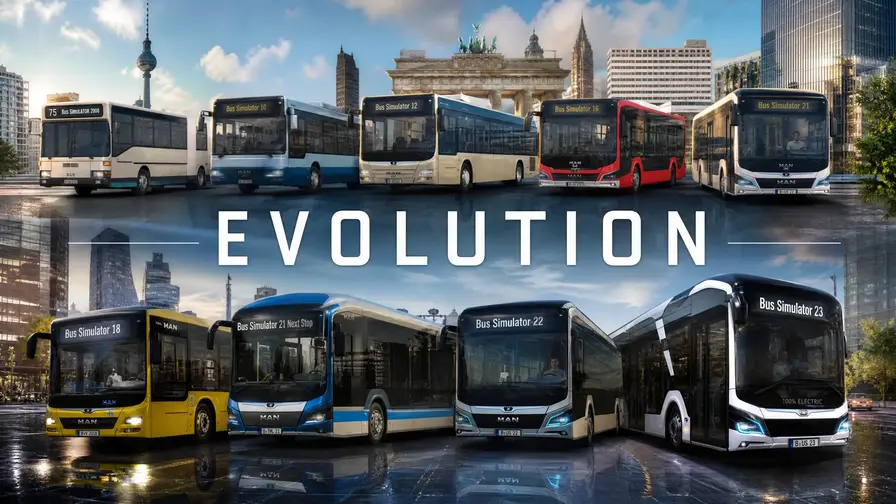
The Bus Simulator series has grown from simple bus-driving games into detailed transport management simulators. The timeline below shows the major releases and their place in the series.
| Game | Release Year | Developer | Publisher | Main Platforms | Type |
| Bus Simulator 2008 | 2007* | TML-Studios | astragon Entertainment | Windows | Mainline |
| Bus Simulator 2009 | 2009 | Contendo Media | astragon Entertainment | Windows | Mainline |
| Bus Simulator 2012 | 2012 | TML-Studios | astragon Entertainment | Windows | Mainline |
| Bus Simulator 16 | 2016 | stillalive studios | astragon Entertainment | Windows, macOS | Mainline |
| Bus Simulator 18 | 2018 | stillalive studios | astragon Entertainment | Windows, PS4, Xbox One | Mainline |
| Bus Simulator 21 | 2021 | stillalive studios | astragon Entertainment | Windows, PS4, Xbox One | Mainline |
| Bus Simulator 21 Next Stop | 2024** | stillalive studios | astragon Entertainment | Windows, PS4, PS5, Xbox One, Xbox Series X/S | Major update |
| Bus Simulator City Ride | 2022 | stillalive studios | astragon Entertainment | Android, iOS, Nintendo Switch | Spin-off |
| Bus Simulator 27 | 2026 | Simteract | astragon Entertainment | TBA | Upcoming mainline |
The title Bus Simulator 2008 can create confusion because historical listings may use different naming conventions. We use the title commonly associated with the series timeline. Bus Simulator 21 launched in 2021. Next Stop later brought a major free update and new features. The original game and Next Stop therefore belong to the same generation.
How the Bus Simulator Series Evolved
The series started with a basic focus on driving buses and serving passengers. Later games added larger maps, licensed buses, career systems, and company management. Bus Simulator 16 marked a major step toward modern open-world bus simulation. It offered 13 licensed city buses and five city districts. Bus Simulator 18 expanded the experience with a large freely drivable city and online multiplayer. It also featured licensed buses from Mercedes-Benz, Setra, MAN, and IVECO BUS.
Bus Simulator 21 pushed the series further with larger maps, deeper management, and a wider licensed bus fleet. The Next Stop generation continued that evolution with improved gameplay and technical upgrades. Steam lists 30 officially licensed buses and two different maps. The franchise also reached new audiences through Bus Simulator City Ride. The spin-off launched on Android, iOS, and Nintendo Switch in 2022.
Overall, the series moved from straightforward bus driving toward a broader public transport experience. Players can now drive buses, manage routes, grow companies, and explore detailed virtual cities. The timeline also shows the franchise’s wider platform growth. It moved from Windows-focused releases toward PC, consoles, Nintendo Switch, and mobile devices. This Bus Simulator version history provides a quick view of that journey. The following sections explore each major game and its development in chronological order.
Bus Simulator 2008: Where the Series Began
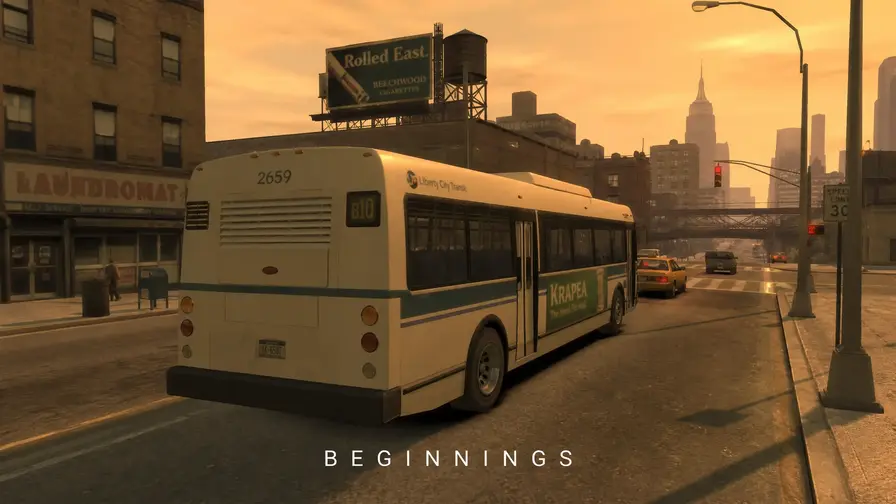
Bus Simulator 2008 marks the beginning of the Bus Simulator franchise. Despite its name, the game first launched in Germany on December 13, 2007. This explains the difference between its title and its original release year. Ice Bytes developed the game. astragon published the German release for Windows PC. Other publishers later released regional versions under different names.
Bus Simulator 2008 at a Glance
| Feature | Details |
| Title | Bus Simulator 2008 |
| Original Release | December 13, 2007 |
| Developer | Ice Bytes |
| Original German Publisher | astragon |
| Platform | Windows PC |
| Genre | Vehicle Simulation |
| Players | Single-player |
The game focused on the daily work of a bus driver and company manager. Players could choose from eight bus models and transport passengers across city routes. The fleet included city buses, long-distance buses, and double-decker buses. Driving required more than simply reaching each destination. Players had to follow planned routes and obey traffic rules. They also needed to keep passengers safe and satisfied during each journey. The game also introduced a basic business layer.
Players could manage their fleet and rent larger buses for more customers and routes. Advertising and special offers generated additional income for the bus company. This combination gave the game a broader focus than simple bus-driving gameplay. Players were not only drivers. They also had to think about routes, passengers, vehicles, and company growth. The game used urban environments as the setting for its bus routes. Its focus remained on scheduled passenger transport and realistic traffic behavior for its time.
What Made Bus Simulator 2008 Different?
Bus Simulator 2008 connected driving with basic transport management. Its gameplay encouraged players to follow traffic rules and maintain passenger safety. It also linked company growth with better buses and expanded services. These ideas later became important parts of the wider Bus Simulator series. The early game created a foundation for the franchise’s focus on public transport simulation.
Historical Context
The game’s naming history can cause confusion. The original German release appeared as Bus-Simulator 2008. Other markets used names such as European Bus Simulator and Big City Rigs: Bus Driver. Because of these regional names, release dates also vary between sources. For the franchise timeline, December 13, 2007 is the key original German release date. The 2008 name refers to the game’s title rather than its first release year.
Version and Update History
Public records for the original game’s complete patch history remain limited. Available databases document multiple regional releases across 2007 and 2008. These releases used different publishers and names. Reliable sources do not provide a complete, official list of every patch and bug fix. Therefore, it would be inaccurate to present an unverified changelog as fact. The available historical record confirms the game’s original release and later regional versions. However, detailed patch notes require stronger archival evidence.
Bus Simulator 2008 remains important because it established the basic formula that shaped later entries. The series would eventually expand this foundation with larger cities, licensed buses, deeper management, multiplayer, and modern graphics.
Bus Simulator 2009 and Bus Simulator 2012: Early Series Evolution
The Bus Simulator series continued developing after its first entry. Bus Simulator 2009 kept the focus on everyday bus driving and passenger transport. Bus Simulator 2012 then introduced a deeper and more detailed simulation experience. Together, these games helped shape the series before its later modern entries.
Bus Simulator 2009
Bus Simulator 2009 launched for Windows PC in 2009. Contendo Media GmbH developed the game, while astragon Software GmbH published it. Historical release records also show regional editions in Europe. The game continued the series’ focus on public transport simulation. Players drove buses through urban routes and transported passengers around the city. The game also built on the basic driving and transport ideas established by the earlier Bus Simulator 2008.
However, reliable historical sources provide limited details about its exact bus fleet, maps, career systems, and gameplay changes. The same issue affects its complete patch history. Public records confirm multiple 2009 releases, but they do not provide a complete official changelog. Therefore, this article avoids listing unverified features or patch notes. That approach keeps the Bus Simulator version history accurate and trustworthy.
Bus Simulator 2012
Bus Simulator 2012 released on February 23, 2012, according to its official Steam listing. TML-Studios developed the game, while astragon Entertainment published it. The game took a major step toward a deeper bus simulation. Players could explore a large, freely accessible 3D world based on a German city. The game featured more than 450 bus stops across its transport network. Players could also organize their own routes and complete additional side missions. The game added a reward system that gave players more reasons to complete their duties.
Its buses included detailed technical systems and realistic driving physics. Players could monitor engine temperature, cooling liquid, oil, and fuel levels from the cockpit. They also needed to manage their schedule and follow traffic rules. The simulation included AI-controlled pedestrians and traffic. These systems reacted to the player’s driving and created a more active city environment. Passenger interaction also became more important.
Players could choose how to greet passengers and which tickets to sell. The game also included an open 3D environment with recognizable landmarks. Players could customize their vehicles and share their creations with the simulation community.
What Changed by Bus Simulator 2012?
The biggest change came from the game’s deeper simulation systems. Earlier entries focused more directly on driving and passenger transport. Bus Simulator 2012 added route planning, side missions, rewards, passenger interaction, and vehicle systems. It also created a more detailed world with AI pedestrians and traffic. These additions moved the franchise closer to the management-focused gameplay seen in later games.
Version and Patch History
The historical record for Bus Simulator 2012 shows several regional releases. MobyGames lists releases in February 2012, November 2012, and February 2013. Steam also provides an official update-history link for the game. However, publicly available sources do not offer a complete, reliable list of every historical patch and fix. For this reason, this version history does not claim specific updates without strong supporting evidence.
Bus Simulator 2008 vs 2009 vs 2012
| Feature | Bus Simulator 2008 | Bus Simulator 2009 | Bus Simulator 2012 |
| Release | 2007 original release under 2008 title | 2009 | February 23, 2012 |
| Developer | Ice Bytes | Contendo Media | TML-Studios |
| Publisher | astragon | astragon Software | astragon Entertainment |
| Platform | Windows PC | Windows PC | Windows PC |
| Main Focus | Bus driving and basic transport management | Continued bus transport simulation | Detailed driving and transport simulation |
| World | Urban bus routes | Urban bus routes | Large open 3D city |
| Route Planning | Basic | Limited historical information | Freely organizable routes |
| Passenger Systems | Passenger transport | Passenger transport | Tickets and passenger interaction |
| AI Traffic | Early simulation | Limited historical information | AI pedestrians and traffic |
| Management | Basic company features | Limited historical information | Missions and reward system |
| Vehicle Systems | Basic driving experience | Limited historical information | Detailed technical systems |
The early games show a clear shift in the series. Bus Simulator 2008 established the basic formula. Bus Simulator 2009 continued that direction with another Windows release. Bus Simulator 2012 then expanded the formula with deeper systems and a larger 3D world. This evolution created the foundation for the more advanced Bus Simulator 16 that followed.
Bus Simulator 16: The Modern Series Takes Shape
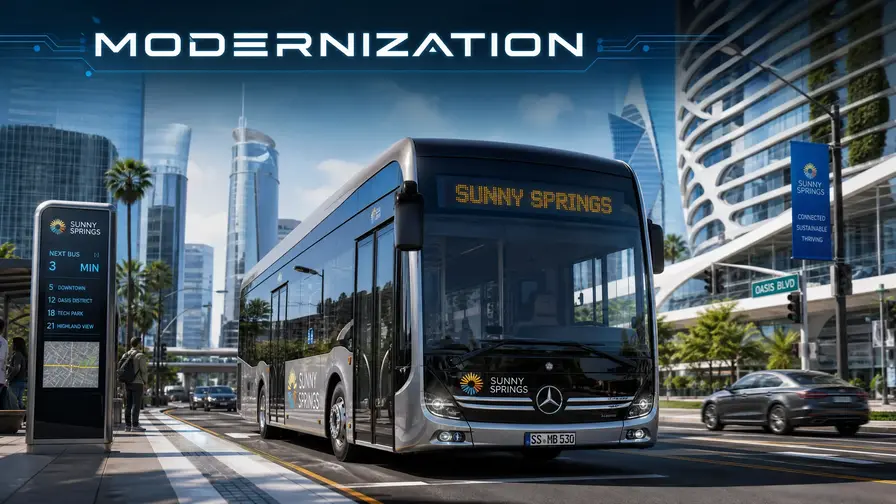
Bus Simulator 16 marked an important turning point for the Bus Simulator series. The game launched on March 2, 2016, for Windows and macOS. stillalive studios developed it, while astragon Entertainment published it.
Bus Simulator 16 at a Glance
| Feature | Details |
| Release Date | March 2, 2016 |
| Developer | stillalive studios |
| Publisher | astragon Entertainment |
| Platforms | Windows, macOS |
| City | Sunny Springs |
| Bus Fleet | 13 city buses |
| Licensed Brands | Mercedes-Benz and MAN |
| Districts | 5 |
| Multiplayer | Online multiplayer and co-op |
| Mod Support | Yes |
A Larger Open-World City
Bus Simulator 16 moved the series toward a more modern open-world format. Players could explore a large, freely accessible city called Sunny Springs. The city contained five distinct districts that players could unlock during their progress. This structure gave players more freedom than earlier entries. They could drive through different areas while building their own public transport network.
Bus Fleet and Licensed Buses
The game featured 13 realistic city buses. The fleet included two-door buses, three-door buses, and articulated buses. The game also included officially licensed buses from Mercedes-Benz and MAN. This licensing helped the game deliver a more authentic bus-driving experience. It also strengthened the series’ connection with real-world public transport vehicles.
Career and Company Management
Bus Simulator 16 combined driving with transport company management. Players could build their own bus company and expand its operations. The game rewarded successful progress with access to new areas and additional opportunities. Players could also earn extra income through advertising banners on their buses. This management layer made the game more than a simple driving simulator. Players had to think about both their buses and their growing transport business.
Routes and Passenger Transportation
Route planning formed an important part of the gameplay. Players transported passengers across the city’s different districts. They also needed to follow traffic rules and drive passengers safely to their destinations. This approach connected driving skills with public transport management. The result created a stronger simulation loop for the franchise.
Traffic and City Simulation
The game placed players inside a living urban environment. Traffic rules formed an important part of the driving experience. Players had to manage their buses carefully while navigating city streets and transporting passengers. The open-world design also made the city feel larger and more connected.
Customization and Modding
Bus Simulator 16 offered several customization options. Players could paint and decorate buses with unlockable decals. They could also use advertising banners to customize their buses and generate additional income. The game also supported modding. Players could modify buses and buildings using tools such as Blender and GIMP. The mod-friendly design also allowed players to add custom buses and buildings.
Multiplayer and Co-op
Bus Simulator 16 supported multiplayer gameplay. The Steam listing also identifies online co-op features. This allowed players to experience the bus simulation with others instead of playing only alone.
DLC and Expansion Content
The game received additional downloadable content during its lifecycle. The Steam listing currently includes the game’s released updates and DLCs. Its Gold Edition also bundles additional content with the base game. However, publicly available sources do not provide a complete official historical list of every DLC release date and content change. For that reason, this version history avoids presenting uncertain DLC details as confirmed facts.
Bus Simulator 16 Version History
The game’s official Steam page provides an Update History link. However, the publicly indexed records do not expose a complete chronological changelog with every version number. Therefore, the safest approach is to summarize the documented update cycle without inventing specific patch details.
Launch Version — 2016
The original release introduced the game’s core simulation. Players received a large open-world city, 13 buses, five districts, company management, route planning, and passenger transport. The game also launched with multiplayer support and modding features.
Major Updates and Patches
The game received updates during its lifecycle. These updates addressed gameplay issues and improved the overall experience. However, a complete public record of every historical patch note remains difficult to verify. Therefore, specific claims about individual fixes require direct confirmation from archived developer or Steam update records.
Performance and Bug Fixes
As with most long-running simulation games, updates helped maintain the game’s stability. The official Steam page provides access to the game’s update history. However, it does not currently expose every historical change in its main public description. This article therefore avoids listing unsupported performance fixes or bug details. That keeps the Bus Simulator version history accurate and transparent.
Why Bus Simulator 16 Matters
Bus Simulator 16 helped define the modern direction of the franchise. It combined open-world exploration with public transport management. It also introduced a larger licensed bus fleet and a more structured city environment. Its five districts encouraged players to expand their operations over time. The game also brought together customization, modding, multiplayer, and company management.
These ideas became important building blocks for later Bus Simulator games. The series would later expand these concepts with larger maps, more licensed buses, deeper management, and improved technology. In that sense, Bus Simulator 16 stands between the franchise’s early simulation roots and its modern generation. It helped transform the series from a basic bus-driving experience into a broader public transport simulation.
Bus Simulator 18: Expanded Maps, Features, and Console Release
Bus Simulator 18 pushed the series into a larger and deeper simulation experience. The game launched for PC on June 13, 2018. stillalive studios developed it, while astragon Entertainment published it.
Bus Simulator 18 at a Glance
| Feature | Details |
| PC Release | June 13, 2018 |
| Developer | stillalive studios |
| Publisher | astragon Entertainment |
| PC Platform | Windows |
| Main City | Seaside Valley |
| Districts | 12 |
| Licensed Buses | 8 |
| Manufacturers | Mercedes-Benz, Setra, MAN, IVECO BUS |
| Multiplayer | Online multiplayer with up to 4 players |
| DLC | Map extension and bus packs |
| Console Release | PlayStation 4 and Xbox One |
Seaside Valley and the Open-World Environment
The game introduced Seaside Valley, a fictional European city. Players could explore 12 different districts across more than 5.8 square miles of drivable routes. The environment included several types of locations. These included industrial areas, a harbor, downtown streets, villages, and a business park. The large map gave players more freedom to create routes and explore the city. The game also introduced challenges such as traffic jams, accidents, road construction, potholes, and changing weather. These events made daily bus operations more demanding.
Licensed Buses and Manufacturers
Bus Simulator 18 included eight officially licensed city buses. The buses came from four major manufacturers:
The fleet included standard and articulated buses. Players could choose vehicles such as the Mercedes-Benz Citaro K, MAN Lion’s City, Setra S 418 LE business, and IVECO BUS Urbanway. This expanded licensed fleet improved the game’s realism. It also strengthened the series’ focus on authentic public transport simulation.
Career and Company Management
The game expanded the business side of the series. Players could create and develop their own bus company. The progression system rewarded successful driving and helped unlock new districts, buses, and customization options. The management system also included route planning, bus buying and selling, staff planning, and business statistics. This made company management a central part of the experience. Players had to balance safe driving with the long-term growth of their transport company.
Passenger Transport and Route Creation
Passenger transport remained the heart of the gameplay. Players had to transport passengers safely and reach destinations on time. They also faced different passenger requests and unexpected events. The game supported extensive route creation through its modding tools. Players could create custom routes, buses, liveries, and maps. They could also share their creations through the Steam Workshop.
Multiplayer and Co-op
Bus Simulator 18 introduced real-time multiplayer for the bus company. Players could drive together with up to three friends. This allowed a team of up to four players to manage and develop the same bus service. The multiplayer system added a cooperative side to the franchise. Players could work together instead of managing their company alone.
Customization and Simulation Features
The game offered several customization options. Players could unlock new bus designs, skins, and decals. The modding system also allowed much deeper customization. Players could build custom buses and maps with community tools. The game also supported both simplified and realistic driving modes. This made the simulation accessible to beginners while giving experienced players more control. The developers also added day and night driving and changing weather conditions. These features made the city feel more dynamic and realistic.
Bus Simulator 18 Console Version
The console version marked an important expansion for the franchise. astragon Entertainment and stillalive studios announced the console port in August 2018. The game arrived on PlayStation 4 and Xbox One under the simpler title Bus Simulator. astragon described it as a console port of the PC release Bus Simulator 18. The console edition kept the core Seaside Valley experience. It also included the licensed buses from Mercedes-Benz, Setra, MAN, and IVECO BUS. The console version also supported multiplayer with up to three other players.
PC vs Console Versions
The available official information confirms the console version as a port of the PC game. Both versions share the same core city, bus simulation, company management, and multiplayer concept. However, the official sources available for this research do not provide a complete technical comparison. They do not clearly document every difference in graphics, performance, content, or controls. Therefore, this article does not claim specific technical differences without reliable evidence.
Bus Simulator 18 Version and Update History
The game received multiple updates after its PC launch. These updates added new gameplay options and improved the overall experience.
Launch Version — June 2018
The original PC release introduced:
These features established the game’s core simulation experience.
Major Update — Free Roaming and Sandbox Modes
One major update added two new gameplay modes. Free Roaming allowed players to explore Seaside Valley without following routes or timetables. Sandbox Mode gave players access to all city districts and buses from the beginning. This update responded directly to popular community requests.
DLC and Map Expansion
The Official Map Extension launched on May 22, 2019.
It added two new municipalities and nine new missions. The expansion also added 20 bus stops and new roads around Seaside Valley. It connected the city center with an airport and a tourist region. The DLC also supported multiplayer gameplay with up to three friends. The game also received additional bus packs and interior packs. These included content for manufacturers such as Mercedes-Benz, MAN, and Setra.
Patches and Performance Improvements
Bus Simulator 18 received several updates during its lifecycle. These updates improved the game and addressed issues reported by players. However, the publicly available official sources do not provide one complete historical list of every patch, bug fix, and performance change. Therefore, this version history focuses only on major updates that reliable sources clearly document.
Why Bus Simulator 18 Matters
Bus Simulator 18 expanded nearly every major part of the series. It introduced a larger open-world city and a stronger management system. It also expanded licensed buses and introduced real-time cooperative multiplayer. Its modding tools gave players more freedom to create routes, buses, liveries, and maps. The console release then brought the series to a wider audience. Together, these changes helped establish the modern formula that later games would continue to develop. Bus Simulator 18 therefore represents a major milestone in the Bus Simulator version history. It moved the franchise closer to a complete public transport simulation experience.
Bus Simulator 21 and Bus Simulator 21 Next Stop: The Biggest Evolution
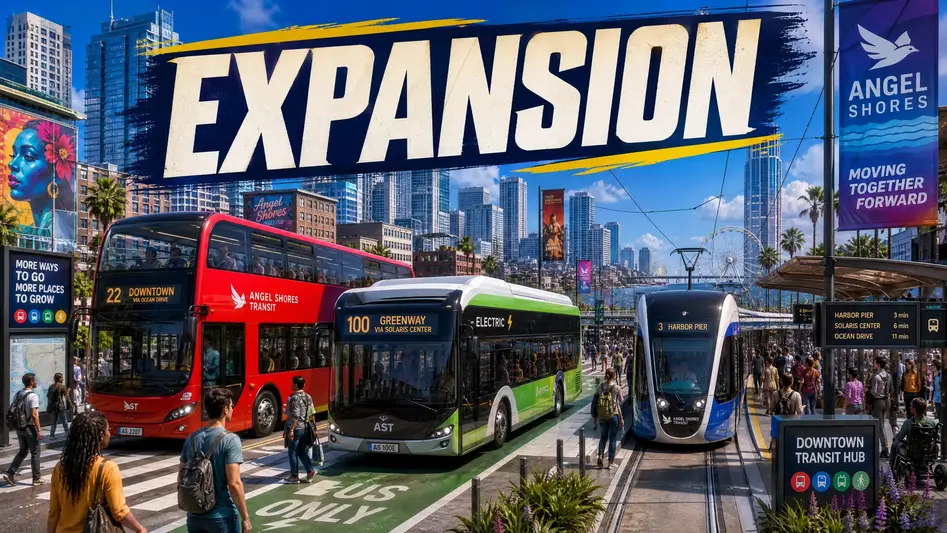
Bus Simulator 21 brought the series into a larger and more flexible simulation era. The game expanded the maps, bus fleet, management systems, and multiplayer experience. It also introduced a new North American setting alongside the returning European environment. Later, the Next Stop update improved the game with major technical upgrades and new gameplay systems.
Bus Simulator 21 at a Glance
| Feature | Details |
| Original Release | September 7, 2021 |
| Developer | stillalive studios |
| Publisher | astragon Entertainment |
| Original Platforms | PC, PlayStation 4, Xbox One |
| Main North American Map | Angel Shores |
| European Map | Seaside Valley |
| Bus Fleet | Around 30 officially licensed buses |
| Multiplayer | Single-player and online co-op |
| Management | Routes, timetables, buses, and company systems |
A New North American Map
The biggest addition was Angel Shores. This large North American map gave players a new environment to explore. It included modern city areas, suburbs, industrial zones, and countryside locations. Players could also return to the expanded Seaside Valley map from Bus Simulator 18. This gave Bus Simulator 21 two different environments with distinct visual styles.
A Larger Licensed Bus Fleet
Bus Simulator 21 offered around 30 officially licensed buses. The fleet included vehicles from several international manufacturers. These included:
The game also introduced double-decker and electric buses to the series. This wider fleet gave players more choices for different routes and transport needs.
Career and Company Management
Bus Simulator 21 expanded the management side of the series. Players could plan routes and create detailed timetables. They could also buy and sell buses while developing their transport company. Players who preferred driving could use optional automation features. These tools handled some management tasks while players focused on driving. This approach made the game more flexible for different types of players.
Dynamic Traffic and Passenger Transport
The game placed bus operations inside active urban environments. Players transported passengers safely and on time. Their driving performance affected the rewards they received after completing their daily work. The open-world maps also gave players more freedom to explore and operate different routes.
Customization and Multiplayer
Bus Simulator 21 supported both single-player and cooperative multiplayer. Players could drive buses alone or work with friends. The game also supported character customization and several control options. These included gamepads, steering wheels, and selected tracking technologies. The combination of management and co-op made the series more accessible to different play styles.
Bus Simulator 21 Next Stop
Bus Simulator 21 Next Stop was not a completely separate sequel. It arrived as a major free update that significantly improved the original Bus Simulator 21. The update launched on May 16, 2023. It also introduced dedicated versions for PlayStation 5 and Xbox Series X|S. The update aimed to improve the game’s technical performance and overall gameplay. It also added a new career mode and many other improvements.
What Changed With Next Stop?
The Next Stop update brought several important changes. The biggest additions included:
The new career mode combined the sandbox experience with the campaign’s economic system. This created a more connected progression system for players.
Graphical and Performance Improvements
Next Stop focused heavily on technical improvements. The update improved the game’s overall performance and stability. It also delivered dedicated versions for newer PlayStation and Xbox consoles. These versions gave the game a stronger technical foundation on current-generation hardware. However, official sources do not provide one complete list of every graphical change. Therefore, this version history avoids claiming specific visual upgrades without direct official confirmation.
New Gameplay Features
Next Stop gave players more control over their bus company. Players could create detailed timetables and plan efficient routes. They could also buy and sell buses through the game’s management systems. At the same time, automatic management options allowed players to focus mainly on driving. These changes made the game more flexible for both casual and serious simulation players.
Bus Simulator 21 Version History Timeline
The table below highlights major verified milestones.
| Version / Update | Release Date | Major Changes |
| Bus Simulator 21 | September 7, 2021 | Original release with Angel Shores, Seaside Valley, expanded bus fleet, management, and co-op |
| Next Stop Update | May 16, 2023 | New career mode, gameplay improvements, bug fixes, performance improvements, and new-generation console versions |
| Official Map Extension | May 16, 2023 | Added a large northern area to Angel Shores with new missions, bus stops, villages, lakes, forests, and wildlife crossings |
| Official School Bus Extension | August 30, 2023 | Added official school bus content to the game |
| Official Tram Extension | November 14, 2023 | Added drivable and manageable trams and rail networks to both maps |
The timeline focuses only on major updates with reliable official documentation. It does not list every minor patch or internal version number. That approach keeps the Bus Simulator 21 version history accurate and useful.
PC and Console Comparison
Bus Simulator 21 originally launched on PC, PlayStation 4, and Xbox One. The Next Stop update later added dedicated versions for PlayStation 5 and Xbox Series X|S.
| Platform | Availability |
| PC | Bus Simulator 21 and Next Stop |
| PlayStation 4 | Bus Simulator 21 and Next Stop |
| PlayStation 5 | Dedicated Next Stop version |
| Xbox One | Bus Simulator 21 and Next Stop |
| **Xbox Series X | S** |
The core game experience remained consistent across platforms. However, the newer console versions benefited from dedicated current-generation releases. Official sources do not provide a complete technical comparison between every platform. Therefore, claims about exact resolution, frame rates, or graphical differences require platform-specific verification. Is My Progress Saved After Updating Bus Simulator Ultimate
DLC and Expansions
Official Map Extension
Release: May 16, 2023
The free Map Extension expanded the northern part of Angel Shores. It added a mountainous nature reserve with lakes, forests, and villages. Players also received new campaign missions and bus stops. The expansion introduced wildlife crossings as a new environmental feature.n
Official School Bus Extension
Release: August 30, 2023
This expansion added school bus content to Bus Simulator 21 Next Stop. It expanded the game’s transport experience with a new type of bus service.
Official Tram Extension
Release: November 14, 2023
The Tram Extension introduced rail-based public transport to the series. Players could drive and manage trams for the first time. The DLC added tram networks to both Angel Shores and Seaside Valley. It also introduced dedicated tram depots and two drivable tram models.
Bus and Content Packs
The game also received additional official content. The Steam listing includes bus packs from manufacturers such as MAN, IVECO BUS, VDL, Ebusco, and Thomas Built Buses. It also lists additional skin and interior packs. These additions expanded the game’s bus collection without changing its core simulation structure. How to Reduce Battery Drain While Playing
Why Bus Simulator 21 and Next Stop Matter
Bus Simulator 21 represented a major evolution in the franchise. It combined two large environments with a much larger licensed bus fleet. It also expanded company management and cooperative multiplayer. The Next Stop update pushed the game further with a new career mode and major improvements.
It also brought the series to dedicated current-generation console versions. The free Map Extension added even more playable space. Later expansions introduced school buses and trams. Together, these developments made Bus Simulator 21 Next Stop one of the most feature-rich stages in the franchise’s history. It represents the point where the series combined large open worlds, licensed vehicles, management, co-op, and multiple forms of public transport.
Bus Simulator City Ride: The Mobile and Nintendo Switch Era
Bus Simulator City Ride expanded the franchise beyond its traditional PC and console audience. The game launched in 2022 for Nintendo Switch and mobile devices. stillalive studios developed the game, while astragon Entertainment published it. The mobile edition brought the Bus Simulator experience to Android and iOS. The Nintendo Switch version offered a dedicated console experience for players who wanted portable gameplay.
Bus Simulator City Ride at a Glance
| Feature | Details |
| Release Year | 2022 |
| Developer | stillalive studios |
| Publisher | astragon Entertainment |
| Mobile Platforms | Android, iOS |
| Console Platform | Nintendo Switch |
| Gameplay Style | Bus driving and transport simulation |
| Main Setting | Fictional city environment |
| Game Type | Spin-off |
A New Direction for the Franchise
City Ride followed the same basic idea as the main Bus Simulator games. Players drive buses and transport passengers around a city. However, the game uses a more accessible approach than the larger PC and console titles. The design focuses on shorter gameplay sessions and simpler controls. This makes the game easier for players who want a more casual bus simulation experience. The mobile release also helped the franchise reach players who did not own a gaming PC or traditional console.
Android and iOS Availability
The mobile version brought the franchise directly to smartphones and tablets. Players could experience bus driving without needing a Windows PC or home console. The mobile format also required a different approach to controls and gameplay. Touchscreen controls made the experience more accessible for mobile players. This expansion helped the franchise reach a much broader audience.
Nintendo Switch Version
The Nintendo Switch release gave City Ride a place in the portable console market. Players could enjoy the game in handheld or docked mode. This made the title different from the larger PC-focused Bus Simulator releases. The Switch version also helped bridge the gap between mobile-style accessibility and traditional console gaming.
Gameplay and Simulation Experience
City Ride focuses on the core parts of bus simulation. Players drive buses, transport passengers, complete routes, and progress through the game. The experience is more streamlined than the larger mainline titles. It does not aim to reproduce every management feature found in games such as Bus Simulator 21 Next Stop. Instead, it focuses on delivering a simpler and more accessible bus-driving experience. This makes City Ride easier to understand for newcomers.
Bus Fleet
City Ride includes a selection of buses designed for urban passenger transport. The game focuses on city buses rather than offering the large fleet found in the latest mainline games. This smaller scale fits the game’s simplified design. Players can unlock and use different buses as they progress through the experience.
Cities and Routes
The game places players in a fictional urban environment. Players complete routes and transport passengers across different parts of the city. The gameplay focuses on completing transport tasks rather than managing a huge open-world bus company. This approach keeps the experience focused and easier to learn.
Career Progression
City Ride includes a progression system that encourages players to complete missions and improve their bus operations. Players can advance through the game by completing transport tasks. This creates a clear sense of progress without requiring the complex company management found in larger Bus Simulator titles. The progression system therefore suits the game’s more accessible design.
Bus Simulator City Ride Version History
City Ride received updates during its lifecycle. However, public records do not provide one complete official changelog covering every version across Android, iOS, and Nintendo Switch. The mobile and Switch editions can also follow different update schedules. For this reason, the safest approach is to describe the game’s version history through confirmed release and update milestones.
| Version / Update | Release Period | Major Changes |
| Bus Simulator City Ride | 2022 | Original release for Nintendo Switch and mobile platforms |
| Mobile Updates | Post-launch | Bug fixes, stability improvements, and gameplay updates |
| Nintendo Switch Updates | Post-launch | Game improvements and technical fixes |
Detailed version numbers and individual patch notes should only appear when official platform records confirm them. This avoids mixing mobile and Nintendo Switch update histories. It also protects the accuracy of the overall Bus Simulator version history.
Bus Simulator Games vs Bus Simulator City Ride
| Feature | Main Bus Simulator Games | Bus Simulator City Ride |
| Primary Platforms | PC and consoles | Mobile and Nintendo Switch |
| Gameplay Scale | Larger simulation experience | More streamlined experience |
| World Design | Large maps and open-world environments | Focused city-based gameplay |
| Company Management | More detailed | Simplified |
| Route Planning | Advanced systems in newer titles | More accessible approach |
| Bus Fleet | Larger licensed fleets | Smaller urban-focused selection |
| Multiplayer | Available in selected mainline games | Not the main focus |
| Target Audience | Simulation fans | Casual and new players |
The table shows where City Ride fits within the wider franchise. It does not replace the main Bus Simulator games. Instead, it acts as a spin-off designed for a broader audience. The mainline games focus on deeper simulation, larger maps, and more detailed company management.
City Ride focuses on accessibility and portable gameplay. This difference makes the game an important part of the franchise’s expansion. It shows how the Bus Simulator series moved beyond traditional PC simulation. The franchise now reaches players across PC, PlayStation, Xbox, Nintendo Switch, Android, and iOS. City Ride therefore represents an important step in the Bus Simulator release history. It brought the core bus-driving concept to new platforms while keeping the experience simple and approachable.
Bus Simulator 27: The Latest Mainline Entry and Future of the Series
Bus Simulator 27 is the next mainline entry in the Bus Simulator series. Simteract develops the game, while astragon Entertainment publishes it. The game is scheduled to launch on September 8, 2026. It will release for PC, PlayStation 5, and Xbox Series X|S.
Bus Simulator 27 at a Glance
| Feature | Details |
| Developer | Simteract |
| Publisher | astragon Entertainment |
| Release Date | September 8, 2026 |
| PC Platforms | Steam, Epic Games Store, Microsoft Store |
| Console Platforms | PlayStation 5, Xbox Series X |
| Main Map | Felicia Bay |
| Cities | Alcaztelar and Mequina |
| World | More than 20 districts |
| Technology | Unreal Engine 5 |
| Bus Fleet | More than 45 officially licensed buses |
| Manufacturers | 13 manufacturers |
| Multiplayer | Up to 4-player co-op |
| Game Modes | Story, Career, Sandbox |
Official Release Status
Bus Simulator 27 is officially announced and available for pre-purchase. Steam currently lists September 8, 2026 as the release date. The game remains unreleased as of this article’s publication date. This distinction matters when discussing its version history. There are currently no post-launch patches because the full game has not launched yet. Therefore, readers should not confuse announced features with released gameplay.
A New World: Felicia Bay
Bus Simulator 27 introduces Felicia Bay as its main setting. The fictional region draws inspiration from Southern Europe and the Iberian Peninsula. The map contains more than 20 districts with different environments and landmarks. Two major cities, Alcaztelar and Mequina, form key parts of the region. Players can also connect cities with surrounding villages through long-distance routes. This design expands the series beyond traditional city bus operations. Players can travel through coastal areas, mountains, towns, and rural locations.
More Than 45 Licensed Buses
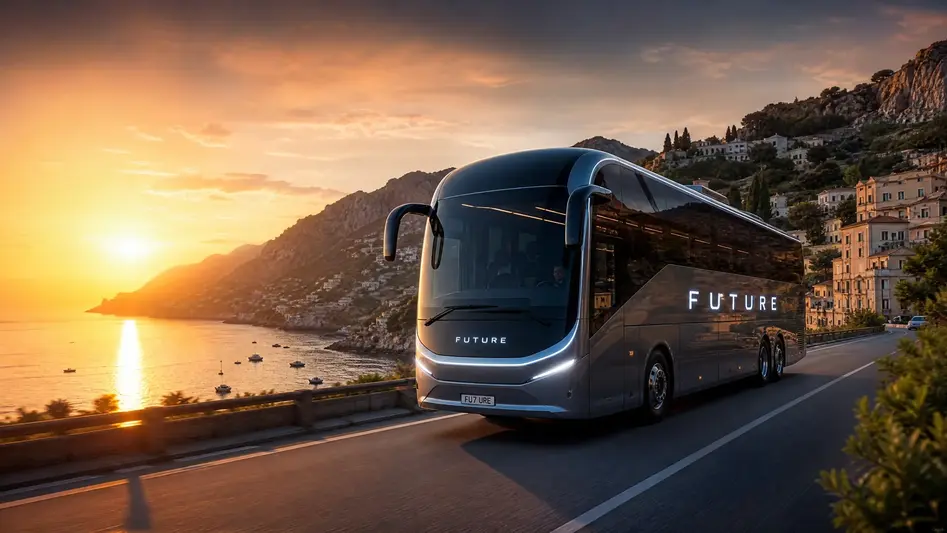
Bus Simulator 27 will feature more than 45 officially licensed buses. The fleet will represent 13 manufacturers. Confirmed brands include:
The fleet will include rigid buses, articulated buses, double-deckers, and electric buses. For the first time in the series, players will also drive coach buses. These coaches will support longer journeys between cities and surrounding areas.
Unreal Engine 5 and New Technology
Bus Simulator 27 uses Unreal Engine 5. The technology aims to deliver a major technical improvement over previous games. The game will feature dynamic weather and complete day-and-night cycles. Simteract will also use its own Traffic AI and City Generator technologies. These systems aim to create more realistic urban environments and traffic behavior. Because the game has not launched yet, real-world performance remains unverified. Therefore, claims about actual frame rates or console performance should wait for independent testing.
Career and Company Management
Players will build and manage their own bus companies. The management system will include route creation and detailed timetable planning. Players will also hire bus drivers and manage their bus fleets. The game will offer three main modes:
This structure gives players different ways to experience the simulation.
Multiplayer
Bus Simulator 27 will support four-player cooperative multiplayer. Players can build and manage their bus operations together. This continues the cooperative approach seen in earlier modern Bus Simulator games.
Major Innovations
Bus Simulator 27 introduces several important changes to the franchise. The biggest innovations include:
These features suggest a broader simulation experience. The addition of coach buses also expands the series beyond traditional city routes. Players will have more reasons to connect cities, towns, and villages across Felicia Bay.
Bus Simulator 27 Version History
Bus Simulator 27 has not launched yet. Therefore, it does not have a traditional post-release version history. The current timeline should focus on confirmed development and release milestones.
| Version / Update | Release Date | Major Changes |
| Development Announced | July 16, 2025 | Simteract confirmed as developer; Felicia Bay and Unreal Engine 5 announced |
| World Reveal | April 9, 2026 | More than 20 districts, Alcaztelar, Mequina, and long-distance routes revealed |
| Release Announcement | February 27, 2026 | Solaris license confirmed; coach buses announced; 2026 release window confirmed |
| Scheduled Launch | September 8, 2026 | Full game planned for PC, PS5, and Xbox Series X |
These milestones do not represent game patches. They document the game’s development and announcement history instead.
Confirmed Facts vs Announced Features
This distinction helps keep the Bus Simulator version history accurate.
Confirmed:
Announced but not yet independently verified:
Unverified speculation:
Rumors about future features should not appear as confirmed information. The same rule applies to rumored release changes, extra buses, and unannounced DLC.
Why Bus Simulator 27 Matters
Bus Simulator 27 represents the next major step in the franchise. It expands the series from city transport toward longer regional journeys. Its larger bus fleet also offers more vehicle variety than previous entries. The combination of coach buses and long-distance routes creates a new gameplay direction. Meanwhile, Unreal Engine 5 aims to raise the technical standard for the series. The game’s final impact will become clearer after its official release. For now, Bus Simulator 27 stands as the latest announced mainline entry and the future direction of the franchise.
Complete Bus Simulator Version and Update History
This section brings the Bus Simulator version history together in one chronological timeline. The series spans several generations, developers, platforms, and gameplay systems. However, not every older game has a complete public changelog. We therefore list detailed updates only when reliable records support them. This approach keeps the complete version list accurate and transparent.
Master Bus Simulator Version History Timeline
| Version / Game | Date | Major Update | New Features | Bug Fixes / Status |
| Bus Simulator 2008 | December 13, 2007* | Original release | Early bus driving and transport management | Information not publicly documented |
| Bus Simulator 2009 | 2009 | Original release | Continued bus transport simulation | Information not publicly documented |
| Bus Simulator 2012 | February 23, 2012 | Original release | Open 3D world, route planning, 450+ bus stops, AI traffic, passenger interaction | Information not publicly documented |
| Bus Simulator 16 | March 2, 2016 | Original release | 13 buses, five districts, company management, multiplayer, modding | Officially documented |
| Bus Simulator 16 Update 5 | August 4, 2016 | Major update | Five new missions and custom screen resolution support | Bug fixes and game improvements |
| Bus Simulator 18 | June 13, 2018 | Original release | Seaside Valley, eight licensed buses, management, multiplayer | Officially documented |
| Bus Simulator 18 Update 10 | September 11, 2019 | Feature update | Full controller support, triple-monitor support, online radio, in-game news | Performance improvements |
| Bus Simulator 18 Update 11 | November 12, 2019 | Stability update | Multiplayer rights-management improvements | Multiplayer crash fix, performance improvements, bus fixes |
| Bus Simulator 18 Official Map Extension | May 22, 2019 | Map expansion | Two municipalities, nine missions, 20 bus stops | Officially documented |
| Bus Simulator 21 | September 7, 2021 | Original release | Angel Shores, Seaside Valley, 30 licensed buses, management, co-op | Officially documented |
| Bus Simulator 21 Next Stop | May 16, 2023 | Major free update | New career mode, technical improvements, new-generation console versions | Major bug and performance improvements |
| Bus Simulator 21 Map Extension | May 16, 2023 | Free map expansion | New Angel Shores area, villages, lakes, forests, missions, and bus stops | Officially documented |
| Bus Simulator 21 School Bus Extension | August 30, 2023 | DLC | School bus gameplay and content | Officially documented |
| Bus Simulator 21 Tram Extension | November 14, 2023 | DLC | Drivable trams, rail networks, tram depots, and two tram models | Officially documented |
| Bus Simulator City Ride | 2022 | Spin-off release | Bus driving experience for mobile and Nintendo Switch | Detailed version history not publicly documented |
| Bus Simulator 27 | September 8, 2026† | Scheduled mainline release | Felicia Bay, 45+ buses, coach buses, Unreal Engine 5, career, story, sandbox, co-op | No post-launch patch history available before release |
The title Bus Simulator 2008 uses a 2008 name, but historical records associate its original German release with December 13, 2007. The listed date represents the currently announced release date and should be updated if the publisher changes it.
Bus Simulator 2008 and 2009
The early games have limited publicly available patch documentation. Reliable historical sources confirm their releases and basic franchise timeline. However, they do not provide complete official version numbers or detailed patch notes. Therefore, their individual changelogs remain information not publicly documented. This prevents unsupported claims from entering the Bus Simulator release history.
Bus Simulator 2012
Bus Simulator 2012 launched on February 23, 2012. Its official Steam listing documents the open 3D world, route planning, more than 450 bus stops, AI traffic, and passenger interaction. However, a complete historical patch list remains difficult to verify from publicly available records. Therefore, specific version numbers and individual fixes should not appear without stronger archival evidence.
Bus Simulator 16
Bus Simulator 16 launched on March 2, 2016. The official Steam listing confirms 13 realistic city buses, licensed manufacturers, five city districts, multiplayer, and mod support. One clearly documented milestone came with Update 5. The August 2016 update added five missions and custom screen-resolution support. It also included bug fixes and other game improvements. Steam provides a broader update history for the game. However, this article should list only individual updates that have clear, reliable documentation.
Bus Simulator 18
Bus Simulator 18 launched on June 13, 2018. It introduced eight licensed buses from Mercedes-Benz, Setra, MAN, and IVECO BUS. It also offered 12 districts, more than 5.8 square miles of routes, management systems, and multiplayer. The game’s update history includes several documented improvements. Update 10 added full controller support, triple-monitor support, online radio, and an in-game news feature. It also included performance and general game improvements. Update 11 followed with more performance improvements and bug fixes. It fixed a multiplayer crash involving bendy buses and improved multiplayer rights management. The game also received the Official Map Extension on May 22, 2019. The DLC added two municipalities, nine missions, and 20 bus stops.
Bus Simulator 21 and Next Stop
Bus Simulator 21 launched on September 7, 2021.
The current Steam listing identifies the game as Bus Simulator 21 Next Stop. It features 30 officially licensed buses and two different maps. Next Stop represents the game’s major modern update phase. It added a new career experience and continued the game’s technical development. It also expanded the platform reach with dedicated versions for newer consoles. The game later received major content additions, including map, school bus, and tram expansions. These additions made the Bus Simulator 21 generation much broader than its original launch version.
Bus Simulator City Ride
Bus Simulator City Ride belongs to the broader franchise but follows a different path. It targets mobile devices and Nintendo Switch rather than the main PC-focused simulation audience. Its complete version history is not as well documented in publicly accessible sources. Therefore, this article should avoid creating fictional version numbers or unsupported patch timelines.
Bus Simulator 27
Bus Simulator 27 represents the next mainline stage of the series. Its version history currently differs from older games because the title has not yet entered its post-launch lifecycle. The correct approach is to record its official release information first. After launch, future updates can follow the same chronological format used for earlier games. This section should then track:
Until official records become available, these details should remain marked as not publicly documented.
How to Read This Version History
Not every Bus Simulator game has the same level of historical documentation. Newer titles usually have clearer digital update records. Older releases often have incomplete archives or regional release information. That creates gaps in the historical timeline. We have marked those gaps instead of filling them with assumptions. This method makes the Bus Simulator version history more reliable. It also helps readers understand the difference between a confirmed update and missing historical information.
A Note About Version Numbers
The Bus Simulator series does not use one continuous version numbering system. Each game follows its own release and update cycle. For example, an update number from Bus Simulator 18 does not continue into Bus Simulator 21. The same rule applies to Next Stop and City Ride. Therefore, this timeline treats each title as its own version history. This prevents confusion when comparing updates across different games.
The Evolution of the Series
The timeline shows a clear pattern of growth. Early entries focused on basic bus driving and passenger transport. Later games added open-world maps and deeper simulation systems. Bus Simulator 16 expanded company management and modding. Bus Simulator 21 expanded the fleet and introduced larger maps.
Next Stop added major technical improvements and a deeper career structure. City Ride brought the franchise to mobile devices and Nintendo Switch. The next generation aims to expand the experience further with Bus Simulator 27. This progression shows how the series evolved from simple bus simulation into a broader public transport experience. It also explains why the Bus Simulator update history contains more than simple bug fixes. Over time, updates have added new maps, vehicles, gameplay systems, and entire transport types. For the most accurate Bus Simulator changelog, readers should always check the official developer or publisher records for each individual game.
Bus Simulator Series Evolution: From 2008 to 2026
The Bus Simulator series has changed significantly since its early releases. The franchise began with a simple focus on bus driving. Over time, it added larger maps, licensed vehicles, company management, multiplayer, and advanced technology. The series also expanded from PC to consoles, Nintendo Switch, and mobile devices. Here is how the franchise evolved across its major areas.
Graphics
Early Bus Simulator games used simpler visual technology. Their environments focused more on basic driving and simulation than visual detail. Later entries introduced larger 3D worlds and more detailed environments. Bus Simulator 16 moved the franchise toward a more modern presentation. Bus Simulator 18 expanded the world with a larger open environment and dynamic weather. Bus Simulator 21 continued this direction with two large maps and more detailed urban environments. The Next Stop update then focused on technical and performance improvements. Bus Simulator 27 represents the next major technology step. It uses Unreal Engine 5 and aims to deliver more advanced visuals and environments. Because Bus Simulator 27 has not yet completed its release cycle, its real-world performance remains unverified.
Bus Fleet
The series began with a smaller selection of buses. Later games introduced more vehicles and greater variety. Bus Simulator 16 featured 13 buses and licensed vehicles from Mercedes-Benz and MAN. Bus Simulator 18 expanded the licensed fleet with manufacturers including Mercedes-Benz, Setra, MAN, and IVECO BUS. Bus Simulator 21 increased the fleet to around 30 officially licensed buses. It also introduced electric buses and double-deckers. The planned Bus Simulator 27 fleet will exceed 45 officially licensed buses. It will also introduce coach buses to the franchise. This progression shows the series’ shift from basic bus selection toward a broader commercial vehicle simulation.
Maps and Worlds
The early games focused on smaller simulation environments. Later titles introduced larger and more detailed areas. Bus Simulator 16 introduced the open-world city of Sunny Springs. Bus Simulator 18 expanded the concept with the large Seaside Valley map. Bus Simulator 21 added Angel Shores while also continuing the Seaside Valley experience. The Next Stop generation expanded Angel Shores with additional playable areas. Bus Simulator 27 aims to take the concept further with Felicia Bay. The planned world includes more than 20 districts and multiple major cities. This progression shows how the series moved from smaller environments toward larger simulation worlds.
Gameplay
The core gameplay has always focused on transporting passengers. However, the surrounding systems have become much deeper. Early games focused mainly on driving buses and completing transport tasks. Later games introduced career progression and route planning. Bus Simulator 16 strengthened company management and transport operations. Bus Simulator 18 expanded route planning and cooperative company management. Bus Simulator 21 introduced more flexible management systems and automation options. Next Stop added a dedicated career experience that connected progression with the game’s economic systems. The planned Bus Simulator 27 will continue this approach with Story, Career, and Sandbox modes. The series therefore evolved from simple driving toward complete public transport management.
Traffic and AI
Traffic simulation also improved over time. Early games offered simpler traffic environments. Later entries introduced more complex urban traffic and dynamic road events. Bus Simulator 18 added events such as traffic jams, accidents, road construction, and other road hazards. Bus Simulator 21 continued the focus on active city environments and dynamic traffic. Bus Simulator 27 aims to advance this system further. Its developers have announced their own Traffic AI technology. However, the final performance of this system requires testing after release.
Multiplayer
Multiplayer became increasingly important during the modern era. Earlier games focused mainly on single-player simulation. Bus Simulator 16 introduced online multiplayer and cooperative gameplay. Bus Simulator 18 allowed up to four players to manage a bus company together. Bus Simulator 21 continued cooperative multiplayer. Next Stop maintained this approach while improving the broader game experience. The planned Bus Simulator 27 will support up to four-player cooperative gameplay. This progression changed the franchise from a solo simulation into a shared transport management experience.
Technology
The franchise has moved through several generations of game technology.Early entries used simpler technical systems.Later games introduced larger 3D environments and more advanced simulation features. The modern generation added improved lighting, weather, traffic systems, and larger worlds. Bus Simulator 21 Next Stop focused on performance and technical improvements. Bus Simulator 27 represents the biggest announced technology shift. It uses Unreal Engine 5 and aims to deliver a more advanced simulation environment. However, readers should wait for the final release before judging its actual performance.
Platforms
The franchise gradually expanded its audience. The early series focused mainly on PC gaming. Later entries reached traditional consoles. The series then expanded into portable gaming through Nintendo Switch. Bus Simulator City Ride also brought the franchise to Android and iOS. The planned Bus Simulator 27 will target modern PC and current-generation consoles. The platform evolution can be summarized as: PC → PlayStation and Xbox → Nintendo Switch → Android and iOS → current-generation consoles This expansion helped the franchise reach different types of players.
Licensed Manufacturers
Licensed buses became an increasingly important part of the modern series. However, each manufacturer should only be connected to a specific game when reliable sources confirm the licensing relationship. The franchise has featured or announced manufacturers including:
Other licensed manufacturers also appear across individual titles. The exact manufacturer list varies between games. Therefore, readers should not assume that every manufacturer appears in every Bus Simulator title. This distinction keeps the Bus Simulator version history accurate.
Final Comparison: Bus Simulator Series Evolution
| Era | Main Game | Major Advancement |
| Early Era | Bus Simulator 2008 | Established the foundation for the franchise |
| Early Expansion | Bus Simulator 2009–2012 | Developed the core bus simulation experience |
| Modern Era | Bus Simulator 16 | Introduced a stronger modern simulation structure |
| Open-World Era | Bus Simulator 18 | Expanded maps, management, multiplayer, and licensed buses |
| Next Generation | Bus Simulator 21 | Added larger worlds, more buses, and deeper systems |
| Technical Evolution | Bus Simulator 21 Next Stop | Improved performance, career systems, and current-generation console support |
| Spin-Off Era | Bus Simulator City Ride | Expanded the franchise to mobile devices and Nintendo Switch |
| New Era | Bus Simulator 27 | Announced next-generation experience with Unreal Engine 5 and larger transport systems |
The Bigger Picture
The Bus Simulator series timeline shows a clear evolution. The franchise started with basic bus simulation. It gradually introduced larger maps and more realistic vehicles. Company management then made the experience more strategic. Multiplayer added cooperative gameplay. Licensed manufacturers increased authenticity. New platforms expanded the audience. The latest generation aims to combine all these elements into a broader public transport simulation. From the early games to Bus Simulator 27, the series has continued to expand its definition of bus simulation. The journey moved from simply driving a bus to managing an entire transport operation.
Frequently Asked Questions
What was the first Bus Simulator game?
The first game in the main Bus Simulator series was Bus Simulator 2008. Historical records associate its original release with 2007, despite its 2008 title.
How many Bus Simulator games are there?
The main series includes Bus Simulator 2008, 2009, 2012, 16, 18, and 21. Bus Simulator City Ride is a spin-off, while Bus Simulator 27 is the next mainline entry.
What is the newest Bus Simulator game?
Bus Simulator 27 is the newest announced mainline entry. It is scheduled for release on September 8, 2026, for PC, PlayStation 5, and Xbox Series X|S.
What is the difference between Bus Simulator 21 and Next Stop?
Bus Simulator 21 Next Stop is a major upgraded version of Bus Simulator 21. It adds a new career mode, technical improvements, performance updates, and dedicated current-generation console versions.
Is Bus Simulator 21 Next Stop a new game or an update?
Bus Simulator 21 Next Stop is a major free update to Bus Simulator 21 rather than a completely new numbered game. It significantly expanded and improved the original experience.
Which Bus Simulator games are available on PC?
The main PC entries include Bus Simulator 2008, 2009, 2012, 16, 18, and 21. Bus Simulator 27 is also planned for PC. Availability can vary by digital storefront and region.
Which Bus Simulator games are available on PlayStation and Xbox?
The modern console entries include Bus Simulator 18, released on PlayStation 4 and Xbox One under the title Bus Simulator, and Bus Simulator 21. Bus Simulator 21 Next Stop also supports PlayStation 5 and Xbox Series X|S, alongside previous-generation consoles.
Is Bus Simulator City Ride part of the main series?
Bus Simulator City Ride belongs to the broader Bus Simulator franchise but works as a spin-off. It targets mobile devices and Nintendo Switch with a more accessible simulation experience.
Is Bus Simulator Ultimate part of the same franchise?
No. Bus Simulator Ultimate is a separate bus simulation game developed by Zuuks Games. It is not part of the astragon Entertainment Bus Simulator franchise.
Where can I find Bus Simulator patch notes and update history?
The best sources include the official astragon Entertainment website and the relevant game’s official Steam page. Steam’s news and update records can provide patch information for supported PC releases. For console and mobile games, check the official publisher and platform-specific update records. Older games may have incomplete public changelogs, so avoid relying on unverified version numbers or unofficial claims.